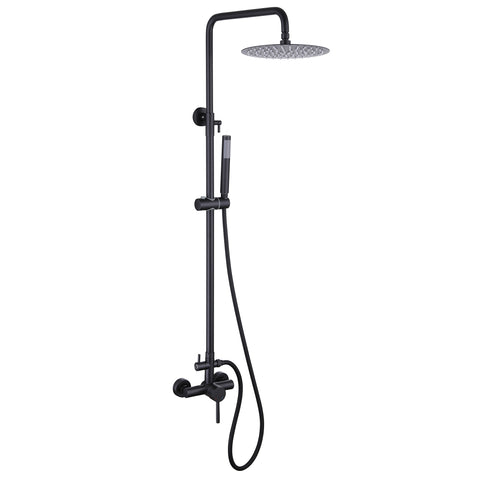

-
Matte Black
-
Chrome
-
Brushed Gold
-
Brushed Nickel
- + 1

-
Brushed Gold
-
Matte Black
-
Brushed Nickel
-
Brushed Gold
-
Matte Black
-
Brushed Gold
-
Brushed Nickel
-
Chrome
-
Matte Black

Dual Shower Head System for Couples: Space, Pressure & Best Layouts
A dual shower head system for couples can make a shared bathroom more practical, but simply adding a second shower head does not automatically create a comfortable two-person shower. The shower needs enough usable space, adequate water flow, the right valve and diverter, and outlets positioned so two people can actually use them comfortably.
For many standard bathrooms, a rainfall shower plus handheld shower is the most practical dual setup because it combines broad overhead coverage with flexible rinsing. A true two-person shower system with two fixed shower heads can work well in a wider walk-in shower, but it generally requires more space and more available water flow.

For most couples, a rainfall shower plus handheld shower offers a good balance of coverage, flexibility, and everyday practicality. A true two-person setup with two fixed shower heads makes more sense in a wider walk-in shower where the plumbing, valve, and available water flow can support both outlets at the same time.
What Is a Dual Shower Head System?
A dual shower head system uses two water outlets in one shower area. The most common configuration combines an overhead rainfall shower with a handheld shower, but other layouts may use two fixed heads, body sprays, or several outlets controlled by a diverter.
The purpose is not simply to deliver more water. A well-planned dual shower should make the space easier and more comfortable to use. One outlet may provide broad full-body coverage while the second provides more controlled rinsing, cleaning, or a separate spray zone.
If you are still deciding between rainfall, handheld, thermostatic, body-jet, and other configurations, compare the different types of shower systems before choosing a dual setup.
Why Couples Choose a Dual Shower Head System
Convenience is one of the main reasons couples consider a dual shower. If two people use the bathroom around the same time, one shower outlet can feel limiting—especially in a larger walk-in shower designed to accommodate more than one person.
A dual setup can also work well when people have different shower habits. One person may prefer a gentle overhead rain shower, while another may prefer a handheld sprayer or a more focused fixed showerhead.
Even when only one person showers at a time, a second outlet can still add useful flexibility for rinsing hair, cleaning the shower enclosure, bathing children, or washing pets.
When a Dual Shower Head May Not Be the Best Choice
A dual shower head system is not automatically better than a single shower head. In a narrow shower, the second outlet may not create enough additional usable space or coverage to justify the added plumbing and controls.
Weak existing water flow can also reduce the benefit. If two outlets operate simultaneously, they share the water that the supply, valve, and piping can provide. A system designed around several large outlets may therefore feel weaker than expected when the plumbing cannot support the combined demand.
If only one person normally uses the shower at a time, a rainfall-and-handheld combination may deliver most of the practical benefits without requiring a full two-person layout.
Before buying: decide whether your priority is simultaneous two-person use, wider water coverage, flexible rinsing, easier cleaning, or simply a more modern shower design. The best layout depends on that goal.
Do Two Shower Heads Reduce Water Pressure?
They can feel weaker when both outlets operate at the same time, but the real issue is usually available water flow rather than the number of shower heads alone.
When two outlets run simultaneously, the system divides the available water between them. Actual performance depends on dynamic water pressure, pipe size, valve capacity, flow restrictions, the shower heads themselves, and whether other fixtures are using water at the same time.
This is one reason a rainfall shower plus handheld shower works well in many homes. You can use the overhead shower for everyday coverage, switch to the handheld when needed, or operate both only when the shower system and plumbing are designed to support simultaneous use.
Planning tip: do not judge a dual shower only by static water pressure. The important question is whether the plumbing can maintain enough flow while the desired outlets are operating.
Best Dual Shower Layouts for Couples
There is no single layout that works for every shared bathroom. The best choice depends on whether you want flexible everyday use or a true two-person shower with separate spray zones.
| Dual Shower Layout | Best For | Main Advantage | Main Limitation |
|---|---|---|---|
| Rainfall + Handheld | Most couples and standard bathrooms | Flexible and practical for everyday use | Not a true two-person fixed-head layout |
| Two Fixed Shower Heads | Wide walk-in showers | Dedicated spray zone for each person | Needs more space and available water flow |
| Rainfall + Body Sprays | Larger luxury remodels | More immersive multi-directional coverage | More complex plumbing and higher flow demand |
| Thermostatic Multi-Outlet System | Premium shared showers | Better temperature control across a multi-outlet setup | Valve and rough-in compatibility must be planned carefully |
Rainfall Shower + Handheld Shower
This is the most practical layout for many couples. The rainfall shower provides broad overhead coverage while the handheld shower adds controlled rinsing and everyday flexibility.
It also works well when the shower is not large enough to justify two completely separate fixed-head positions.
Two Fixed Shower Heads
Two fixed shower heads are better suited to a wider walk-in shower where each person can have a dedicated spray zone. This is closer to a true two-person shower.
The tradeoff is greater space and plumbing demand. Outlet spacing, valve configuration, and available water flow should all be confirmed before installation.
Rainfall Shower + Body Sprays
A rainfall shower combined with body sprays creates a more immersive shower rather than simply giving each person an independent shower head.
It can work well in a luxury bathroom remodel, but several active outlets can significantly increase the demand on the supply piping and valve.
Thermostatic Dual Shower System
A thermostatic system is worth considering when temperature stability is a priority. The thermostatic valve responds to changes in the hot-and-cold water supply to help maintain a more consistent mixed-water temperature.
For more detail on how these controls work, see our thermostatic shower faucet guide.
How Much Space Do You Need for a Two-Person Shower?
A true two-person shower needs enough usable area for both people to stand, turn, and use the water outlets without constantly moving around each other.
There is no single shower dimension that works for every layout. The required space depends on the location of the shower heads, door position, benches or niches, valve placement, body size, and whether both people are expected to shower at the same time.
A rainfall-and-handheld system can fit many conventional showers because both outlets can serve the same general shower zone. Two opposing or separately positioned fixed shower heads usually benefit from a larger walk-in space.
Before finalizing the layout, consider shower width, ceiling height, spray direction, control location, handheld reach, and the space needed to enter and exit comfortably.
Which Valve Do You Need for a Dual Shower Head System?
The visible shower heads determine how the shower looks, but the valve and diverter determine how the system actually operates.
Some systems let you switch from one outlet to another. Others are designed so selected outlets can operate simultaneously. Do not assume that every two-outlet shower automatically allows both shower heads to run together.
A pressure-balance valve is common in many shower installations and helps reduce sudden temperature changes caused by pressure shifts. A thermostatic valve provides more direct temperature regulation and is often used in more complex multi-outlet systems.
The diverter controls how water is routed between the outlets. Before choosing a valve configuration, see our shower diverter valve guide to understand two-way, three-way, and multi-outlet layouts.
What to Check Before Buying a Dual Shower System
- Available water flow: Confirm that the supply can support the outlets you intend to operate.
- Simultaneous operation: Check whether both shower heads can run together or whether the diverter only switches between them.
- Shower space: Make sure the second outlet creates useful coverage rather than crowding a small enclosure.
- Valve type: Confirm whether the system uses a pressure-balance, thermostatic, or other compatible control.
- Diverter function: Verify how many outlets and operating combinations the diverter supports.
- Pipe and rough-in requirements: Confirm connection size, valve depth, and outlet locations before closing the wall.
- Handheld placement: Check hose length, holder height, reach, and whether it interferes with other shower components.
- Showerhead placement: Plan spray direction and spacing so each outlet serves a useful zone.
- Future maintenance: Make sure cartridges and serviceable valve components remain accessible.
- Finish: Coordinate matte black, brushed gold, chrome, brushed nickel, or other finishes with the rest of the bathroom.
The Most Practical Dual Shower Setup for Most Couples
For many couples, a rainfall shower head with a handheld shower offers the best overall balance. The overhead outlet provides broad coverage, while the handheld provides more precise control for rinsing, cleaning, and different everyday shower routines.
It also avoids some of the space demands of two separately positioned fixed heads. If simultaneous two-person use is the main goal, however, a wider walk-in shower with two properly spaced fixed outlets may be the better design.
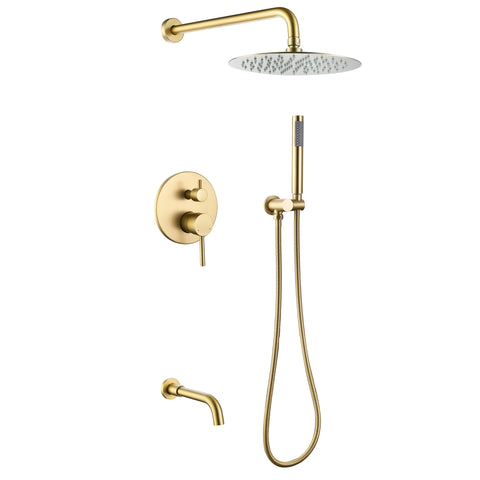
Featured Option: Brushed Gold Dual Shower System with Rainfall & Handheld Shower
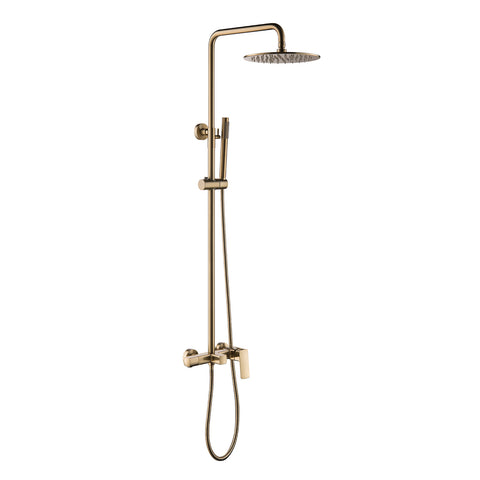
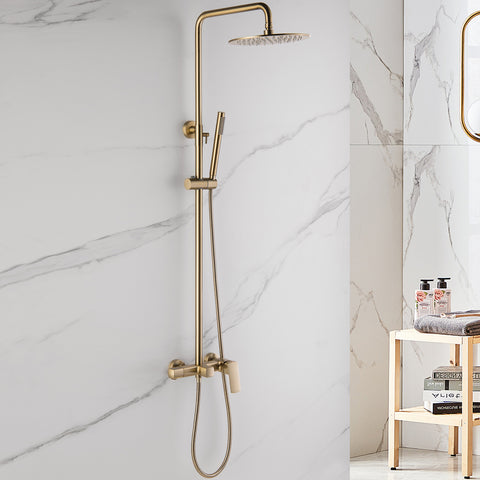
If you prefer a warmer bathroom finish, this brushed gold setup combines an overhead rainfall shower with a handheld sprayer in one coordinated system. It is designed for users who want broad coverage together with flexible everyday rinsing.
View This Shower SystemDual Shower Head System Installation Notes
Installation complexity depends on the existing shower and the new outlet configuration. Replacing compatible visible trim can be relatively straightforward, while adding a second water outlet, changing the valve, relocating piping, or installing body jets requires more extensive rough-in work.
Plan the showerhead height, handheld position, valve and diverter locations, outlet spacing, and finished-wall depth before waterproofing and tile make changes difficult.
If the walls are still open, use our shower system rough-in checklist to review valve depth, outlet locations, pipe connections, pressure testing, and other details before the wall is closed.
Professional installation is recommended when the project requires new concealed piping, valve replacement, waterproofing work, or significant changes to the existing shower layout.
Who Is a Dual Shower Head System Best For?
- Couples who regularly use the bathroom around the same time.
- Homeowners planning a wider walk-in or two-person shower.
- Families who value the flexibility of a handheld shower.
- Users who want broader water coverage than a single showerhead provides.
- Bathroom remodels where the valve and outlet layout can be planned before tiling.
- Homeowners who want a more flexible shower without moving to a highly complex body-jet system.
Dual Shower Head System FAQ
Can two people use a dual shower head system at the same time?
Yes, when the shower has enough usable space and the system is designed for simultaneous outlet operation. Available water flow, valve capacity, diverter function, and outlet placement all affect how well it works.
Will two shower heads reduce water pressure?
Both outlets may feel weaker if the plumbing cannot supply enough flow when they operate simultaneously. Actual performance depends on dynamic pressure, pipe size, valve capacity, showerhead flow, and the overall plumbing system.
Is rainfall plus handheld better than two fixed shower heads?
For many standard bathrooms, rainfall plus handheld is more flexible and easier to plan. Two fixed shower heads are better suited to a wider walk-in shower when the goal is simultaneous two-person showering with a dedicated spray zone for each person.
Do I need a plumber to install a dual shower system?
Professional installation is recommended when the project requires a new valve, additional concealed piping, new outlets, waterproofing changes, or tile work. Compatibility should also be confirmed before replacing existing trim.
Is a dual shower head system only for large bathrooms?
No. A rainfall shower and handheld combination can work in many standard bathrooms. A true two-person shower with separately positioned fixed heads usually benefits from a larger walk-in space.
Can two shower heads run at the same time?
They can if the shower system, valve, diverter, and plumbing are designed for simultaneous outlet operation. Some systems only switch between outlets, so check the valve and diverter specifications before assuming both can run together.
What is the best shower setup for two people?
For a true two-person shower, two properly spaced fixed shower heads can give each person a dedicated spray zone when the shower is wide enough and the plumbing supports both outlets. For many standard bathrooms, a rainfall shower with a handheld shower is the more practical dual setup.
Choose the Dual Shower Layout Around How You Actually Use the Bathroom
A dual shower head system for couples can improve coverage, flexibility, and shared use, but the second outlet only adds value when the shower space, water supply, valve, and outlet placement are planned together.
For most conventional bathrooms, start by comparing a rainfall shower and handheld combination. If the goal is a true two-person shower, plan a wider layout with dedicated spray zones and confirm that the plumbing and controls can support simultaneous operation.