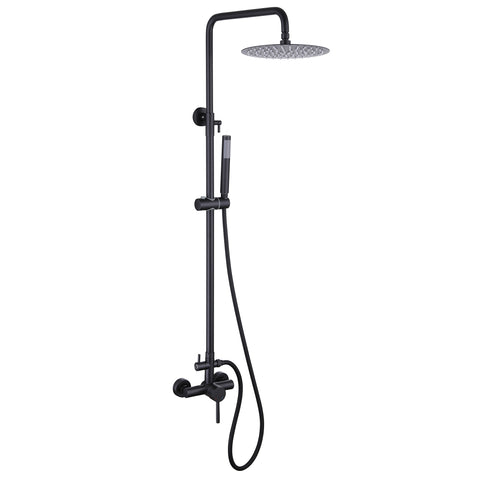

-
Matte Black
-
Chrome
-
Brushed Gold
-
Brushed Nickel
- + 1
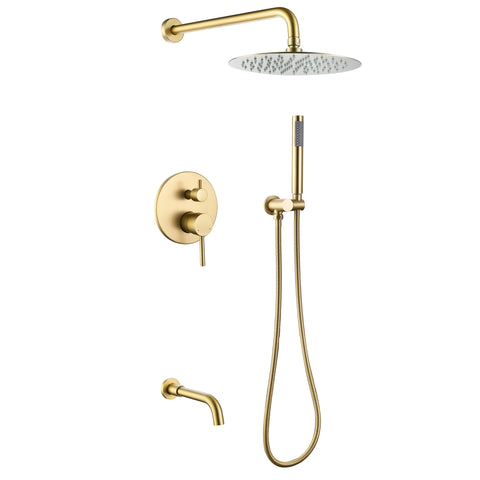

-
Brushed Gold
-
Matte Black
-
Brushed Nickel
-
Brushed Gold
-
Matte Black
-
Brushed Gold
-
Brushed Nickel
-
Chrome
-
Matte Black

Outdoor Shower Water Pressure Low? 8 Common Causes and Smart Fixes
A weak outdoor shower can be frustrating. You step outside after a swim, a beach day, or a long afternoon in the garden, expecting a refreshing rinse — but the water barely comes out with enough force to wash off sand, chlorine, or dirt.

The first reaction is often to blame the shower fixture. Sometimes that is part of the problem. But in many cases, low water pressure in an outdoor shower has more to do with the plumbing setup, water supply, valves, showerhead size, or seasonal buildup than the shower itself.
Before replacing your outdoor shower, it is worth taking a few simple steps to understand where the pressure is being lost.
Low outdoor shower pressure is usually not just a showerhead issue. It is often a combination of water supply, pipe distance, valve position, outlet design, and how the shower is installed.
Start by Asking: Is It Really a Pressure Problem?
People often use the word “pressure” to describe any weak shower experience. But there are actually a few different problems that can feel similar.
| What You Notice | What It May Mean |
|---|---|
| Every outdoor faucet feels weak | The issue may be with the home’s outdoor water supply or pressure regulator. |
| Only the outdoor shower feels weak | The issue may be with the shower line, valve, showerhead, diverter, or installation setup. |
| The water comes out, but the spray feels too soft | The showerhead may be too large for the available flow, or the spray pattern may be too wide. |
| One outlet is weak, but another works fine | The problem may be in the handheld hose, diverter, cartridge, or outlet screen. |
This distinction matters because a new shower fixture can improve the shower experience, but it cannot fully overcome a serious plumbing restriction or a weak water supply.
1. The Outdoor Shower Is Too Far from the Main Water Line
Outdoor showers are often installed where they look and feel best: beside a pool, near a patio, against a garden wall, by a beach house entrance, or in a backyard corner. These locations are convenient for everyday use, but they may be far from the main water line.
The farther water has to travel, the more chances there are for flow to be reduced. Long pipe runs, small supply lines, multiple elbows, narrow connectors, or several branch points can all affect performance.
This is especially important for freestanding outdoor showers. Because they are not mounted directly to an exterior wall, the supply line usually needs to be planned more carefully. A beautiful installation can still feel disappointing if the water line feeding it is too small or too far away.

2. The Exterior Shutoff Valve Is Not Fully Open
Outdoor showers often have a dedicated shutoff valve. This is useful for maintenance, repairs, or winterizing the system before freezing weather. But if the valve is only partially open, the shower may still run while feeling much weaker than expected.
This is one of the easiest things to check before assuming there is a larger problem.
- Check the main water valve.
- Check the outdoor shower shutoff valve.
- If your shower has hot and cold water, check both supply valves.
- Turn the shower on again and compare the water strength.
If the outdoor shower was recently installed, repaired, or reopened after winter, a partially closed valve is a very common cause of weak flow.
3. The Rainfall Shower Head May Be Too Large for the Available Flow
A large rainfall shower head can make an outdoor shower feel more relaxing and spa-like. But it also spreads water over a wider surface area. If the outdoor water line already has limited flow, a large rain head may feel softer than expected.
This does not mean rainfall shower heads are a bad choice. It simply means they perform best when the water supply is strong enough to support them.
| Shower Outlet | Best For | What to Watch |
|---|---|---|
| Large rainfall shower head | A wide, gentle, spa-like rinse | Needs steady flow to feel satisfying |
| Smaller fixed shower head | A more focused spray | Less coverage than a rainfall head |
| Handheld shower | Rinsing feet, pets, kids, and shower walls | A kinked hose or clogged screen can reduce flow |
| Foot wash spout | Quick rinsing without using the full shower | May be affected by diverter or outlet restrictions |
If your rainfall head feels weak but a nearby faucet has strong water, the issue may be related to showerhead size, nozzle blockage, or the fixture’s outlet configuration rather than the entire home’s water pressure.

4. The Showerhead, Handheld Hose, or Screen Washer Is Clogged
Outdoor showers are exposed to more than indoor showers. Dust, sand, pollen, hard water minerals, garden debris, and pool chemicals can build up around nozzles and small filter screens. Over time, that buildup can reduce water flow.
If you live near the beach, sand and salt air can make this happen faster. If the shower is near a pool, chlorine residue may also contribute to buildup on the fixture surface and spray nozzles.
A simple test can help:
- Turn off the shower.
- Remove the showerhead if it can be safely removed.
- Turn the water on briefly.
- If the water flow is stronger without the head, the showerhead is likely restricted.
- Check the handheld hose, washer screen, and spray face for debris or mineral buildup.
Cleaning the nozzles and rinsing the screen washer may restore performance without replacing the entire shower.

5. The Diverter or Cartridge Is Restricting One Outlet
Many outdoor showers include more than one water outlet. A single system may have a rainfall shower head, handheld shower, foot wash spout, or tub spout. These features make outdoor cleaning more flexible, but they also add parts that need to direct water correctly.
If only one function feels weak, the issue may not be the total water supply. It may be the diverter, cartridge, hose, or outlet screen.
| Symptom | Possible Cause |
|---|---|
| Rain head is weak, but handheld shower is normal | Rain head clogging, large spray face, or nozzle buildup |
| Handheld shower is weak, but rain head is normal | Kinked hose, clogged washer screen, or handheld spray restriction |
| Only hot water feels weak | Hot supply valve, water heater, or sediment issue |
| Foot wash spout is weak | Outlet screen, diverter, or localized blockage |
| All outlets are weak | Supply line, shutoff valve, or whole-house pressure issue |
Testing each function separately is one of the fastest ways to narrow down the real cause.
6. Other Outdoor Water Uses Are Competing for Flow
Outdoor showers often share water supply with other exterior uses. If sprinklers, garden hoses, pool fill lines, or irrigation systems are running at the same time, the shower may feel noticeably weaker.
The same can happen if water is being used heavily indoors. A washing machine, dishwasher, indoor shower, or bathtub filling at the same time may reduce the available flow to the outdoor shower.
Before assuming something is wrong with the fixture, test the outdoor shower when no other major water use is happening. If the shower improves, the issue is probably shared demand rather than the shower itself.
7. Seasonal Debris May Be Blocking the Line
If your outdoor shower feels weak at the beginning of the season, the problem may be related to reopening the system after winter. When water is turned back on, small debris, sediment, or air can move through the line and collect in the showerhead, hose, valve, or filter screen.
This is especially common if the outdoor shower was shut off, drained, or unused for several months.
Flush the line before judging performance. Run the water briefly, check the screen washers, and clean the showerhead nozzles if needed. A few minutes of seasonal maintenance can often solve a weak-flow issue.
8. The Fixture May Not Match the Way You Use the Outdoor Shower
Sometimes the water supply is acceptable, but the shower still does not feel right for daily use. This can happen when the fixture configuration does not match the outdoor space.
For example, a large rainfall head may look beautiful beside a pool, but a handheld shower may be more useful for rinsing kids, pets, sandy feet, or patio surfaces. A foot wash spout may be more convenient for quick rinses than turning on the full shower every time. A wall-mounted model may be easier to supply if the water line is already close to an exterior wall, while a freestanding model may need more careful plumbing planning.
The best outdoor shower is not always the biggest or most decorative one. It is the one that fits your water supply, installation location, and real outdoor routine.
Quick Outdoor Shower Pressure Checklist
- Test a nearby outdoor faucet to see if the outdoor supply is strong.
- Check an indoor shower to see if the issue affects the whole house.
- Make sure all shutoff valves are fully open.
- Test hot and cold water separately.
- Remove and inspect the showerhead for mineral buildup or debris.
- Check the handheld hose for kinks or clogged screen washers.
- Switch between shower outlets to identify diverter-related issues.
- Turn off sprinklers, hoses, pool fill lines, and other water uses during testing.
- Flush the line after winter or long periods of non-use.
When the Problem Is Bigger Than the Showerhead
Some pressure issues are simple. Others need a professional inspection. Consider calling a plumber if:
- All outdoor faucets have weak pressure.
- Indoor fixtures are also losing pressure.
- Only hot water is weak.
- You notice a sudden pressure drop.
- There are signs of leaking near the wall, base, or underground supply line.
- The outdoor shower is connected to a long or hidden pipe run.
- You are installing a freestanding shower and are unsure about supply line sizing.
A plumber can confirm whether the problem is caused by the fixture, pipe size, pressure regulator, water heater, underground supply line, or local plumbing conditions.
When the Right Fixture Makes a Real Difference
If your water supply is healthy and your plumbing is properly sized, choosing the right fixture can make the outdoor shower feel much better. Look for a design that matches your real use case, not just the look of the space.
For poolside areas, a rainfall shower head with a handheld shower can offer both comfort and flexibility. For beach homes, a foot wash spout and corrosion-resistant material can make daily rinsing easier. For gardens, pets, or family use, a handheld shower can be more practical than a fixed head alone.
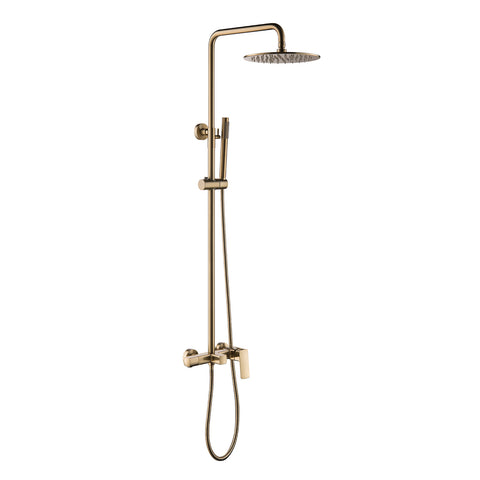
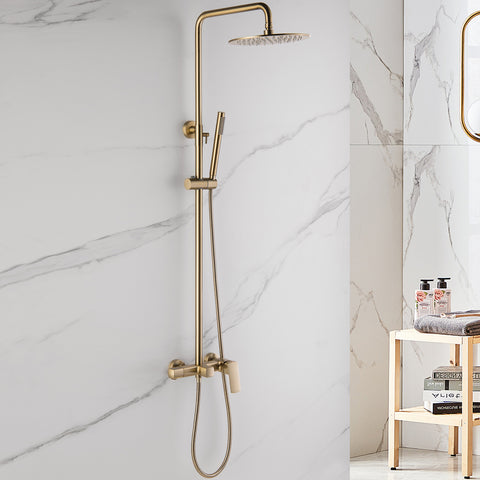
RBROHANT outdoor shower fixtures are designed for real outdoor routines, with options for rainfall showerheads, handheld showers, foot wash spouts, durable stainless steel construction, and finishes that suit pool, patio, garden, and beach house spaces.
The goal is not just stronger water. The goal is a better outdoor shower experience — one that fits your plumbing, your space, and the way you actually use your backyard.

Find the Restriction Before Replacing the Shower
Low outdoor shower pressure is not always caused by the shower fixture itself. A partially closed shutoff valve, a long supply line, mineral buildup, a clogged screen washer, a restricted hose, or another outdoor water use can all make the shower feel weaker than it should.
Before replacing the fixture, work through the simple checks first. Test a nearby outdoor faucet, make sure the shutoff valves are fully open, run each outlet separately, inspect the showerhead and handheld hose, and flush the line if the shower has not been used for a while.
If the water supply is healthy but the shower still does not fit the way you use the space, then it may be time to choose a better-matched outdoor shower. A poolside shower may need a comfortable rain head and handheld sprayer. A beach house may benefit from a foot wash spout and corrosion-resistant materials. A garden or family area may need a practical handheld shower more than an oversized rain head.
The best outdoor shower is not just the one with the strongest spray. It is the one that works with your plumbing, fits your outdoor routine, and makes every rinse after the pool, beach, garden, or backyard feel easy and reliable.