-
Matte Black
-
Chrome
-
Brushed Gold
-
Brushed Nickel
- + 1
-
Brushed Gold
-
Matte Black
-
Brushed Nickel
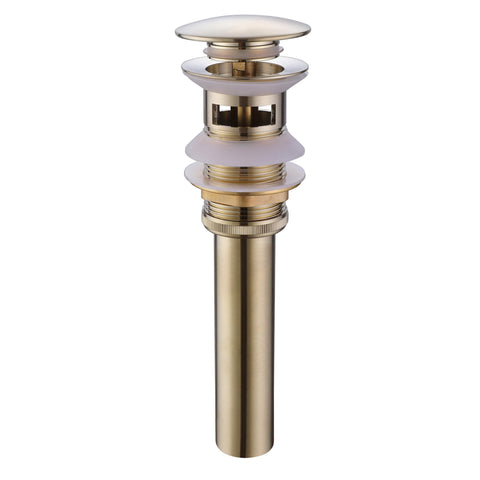
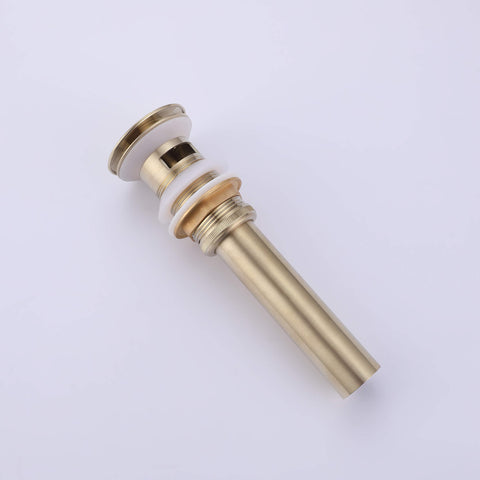
-
Brushed Gold
-
Matte Black
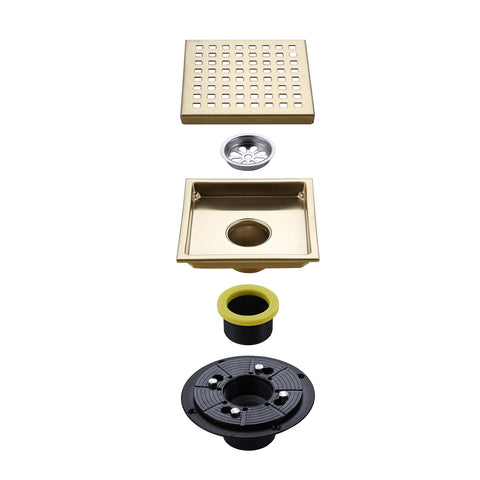
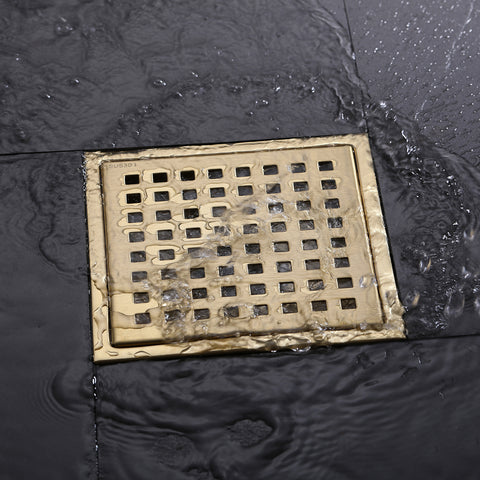
-
Brushed Gold
-
Brushed Nickel
-
Chrome
-
Matte Black

Faucet Mistakes People Usually Notice After Installation
Most faucet mistakes do not show up while you are shopping online. They show up later, after the faucet is installed.
The handle bumps into the backsplash. The water lands too close to the edge of the sink. The sprayer does not pull back smoothly. The finish looks beautiful in photos but shows every water spot in daily use. Or the faucet fits the holes, but somehow still feels awkward every time you use it.
That is why choosing a faucet should not start with style alone. A good faucet needs to look right, but it also needs to fit the sink, the countertop, the plumbing, and the way the room is actually used. Before you order, here are the faucet buying mistakes people often notice too late.

1. The faucet looks right, but the holes do not match
This is one of the simplest details to check, but also one of the easiest to forget. A faucet can look perfect for your kitchen or bathroom and still be wrong for the sink if the hole configuration does not match.
Some faucets need one hole. Some need three. Some widespread faucets require separate holes for the spout and handles. Wall-mounted faucets need the correct plumbing inside the wall. If you already have a sink or countertop, the existing holes will narrow your choices right away.
Before choosing a finish or shape, count the holes first. Then check the spacing. This quick step can prevent a lot of installation trouble.
2. The water lands in the wrong place
A faucet does not only need to reach the sink. It needs to send water to the right part of the sink.
If the spout is too short, the water may fall too close to the back of the basin. You may find yourself touching the sink wall every time you wash your hands. If the spout reaches too far forward, water may splash near the front edge or make the sink feel smaller than it is.
When comparing faucets, look at the spout reach, not just the overall height. A well-matched faucet usually lets the water fall near the comfortable working area of the basin.
3. The faucet is tall, but the sink is too shallow
Tall faucets often look elegant in product photos. They can make a bathroom vanity or kitchen sink feel more premium. But height only works when it matches the sink depth.
A tall faucet over a shallow basin can create splashing. A short faucet over a deep or large sink can feel cramped. With vessel sinks, the faucet usually needs to be taller or wall-mounted because the bowl sits above the countertop. With compact sinks, a lower or more controlled faucet may feel better.
Instead of asking whether a faucet is tall enough, ask whether the height makes sense for your sink.
4. The handle has no room to move
This problem is easy to miss online. The faucet fits the hole. The size looks right. But after installation, the handle hits the wall, backsplash, mirror frame, shelf, or window ledge.
Some handles move backward. Some move sideways. Some need more space than you expect. If the faucet will be installed close to a wall or backsplash, check how the handle operates before you buy.
Also think about cleaning. If there is barely any space behind the faucet, wiping around the base can become annoying over time.
5. The finish looks beautiful, but daily cleaning is harder than expected
A faucet finish can completely change the mood of a room. Matte black can feel modern. Brushed gold can feel warm and decorative. Chrome can feel bright and clean. Brushed nickel or stainless steel can feel soft and practical.
But finishes do not behave the same in daily life. Some show fingerprints more easily. Some show water spots faster. Some need gentler cleaning to keep the surface looking good.
Before choosing a finish, think about the room. Is it a busy family bathroom? A guest powder room? A kitchen used many times a day? The more often the faucet is used, the more important maintenance becomes.
6. The sprayer is useful, but the hose quality matters
For kitchen faucets, a pull-down or pull-out sprayer can make daily cleaning much easier. It helps with rinsing dishes, washing vegetables, and cleaning the sink corners.
But the sprayer only feels good if the hose moves smoothly and returns properly. If the hose feels weak, stiff, or difficult to retract, the feature becomes frustrating instead of helpful.
When choosing a kitchen faucet with a sprayer, do not only look at the shape. Check whether the product has a clear hose design, good docking, and enough reach for your sink size.
7. The faucet is cheap, but the inside is where problems start
Many faucets look similar from the outside. That makes it tempting to choose the lowest price. But the parts you cannot see often decide how the faucet performs over time.
A weak cartridge can lead to dripping. Poor handle mechanisms can become loose. A low-quality finish may wear faster. A faucet that saves money at checkout may cost more later if it needs repairs or replacement too soon.
A good faucet does not have to be the most expensive option. But it should feel solid, operate smoothly, and come with clear installation information.
8. The faucet style matches the room, but not the way you use it
A faucet that works well in one space may not be the best choice for another. A kitchen faucet needs enough reach and function for cooking and cleaning. A bathroom faucet needs comfortable handwashing space. A powder room faucet may focus more on appearance, but it still needs to fit the sink properly.
Think about the daily routine before buying. Do you often fill large pots? Do children use the bathroom sink? Is the vanity small? Is the sink shallow? Will the faucet be used many times a day or only occasionally?
The best faucet is not just the one that matches the room. It is the one that matches the habits of the people using it.
9. The installation looks simple, but something is missing
Another common surprise happens during installation. The faucet arrives, but the needed parts are not what you expected. You may need supply lines, a deck plate, mounting hardware, a drain assembly, or extra plumbing adjustments.
Before ordering, check what is included and what is not. Also confirm whether the faucet works with your sink thickness, countertop thickness, and current plumbing setup.
This matters even more for wall-mounted faucets, pot fillers, vessel sink faucets, and major remodels. These styles can look clean and beautiful, but they need the right preparation.
A quick check before you order
Before buying a faucet, pause for a few minutes and check these details:
- How many holes does your sink or countertop have?
- Does the faucet mounting type match your setup?
- Will the water land in a comfortable part of the sink?
- Does the faucet height make sense for the sink depth?
- Is there enough room for the handle to move?
- Will the finish be easy enough to maintain?
- If it has a sprayer, will the hose reach and retract smoothly?
- Are the needed installation parts included?
- Does the faucet match how the room is actually used?
Final thoughts
A faucet can look simple, but the small details decide whether it feels right after installation. The hole layout, spout reach, faucet height, handle clearance, finish, and included parts all matter more than they may seem at first.
Before choosing the faucet that looks best in photos, make sure it works for your sink, your space, and your daily routine. A well-chosen faucet should not only complete the room. It should make everyday use feel easier, cleaner, and more comfortable.
Frequently Asked Questions
What is the most common mistake when buying a faucet?
The most common mistake is choosing by appearance before checking fit. A faucet needs to match the hole configuration, mounting type, sink size, spout reach, and available clearance.
How do I know if a faucet will fit my sink?
Count the holes in your sink or countertop, measure the spacing, and compare the faucet height and spout reach with your sink size. Also check whether the handle has enough room to move.
Why does a new faucet splash after installation?
Splashing often happens when the faucet is too tall for the sink, the basin is too shallow, or the water lands in the wrong part of the bowl. Matching faucet height, spout reach, and sink depth can help reduce splashing.
Is a pull-down kitchen faucet worth it?
A pull-down kitchen faucet can be very useful if you often rinse dishes, wash vegetables, or clean a large sink. Just make sure the hose reach, docking, and retraction feel reliable.
Should I choose a faucet based on finish or function first?
Function should come first. Once the faucet fits your sink and daily-use needs, you can choose the finish that best matches your room style and maintenance preferences.