
-
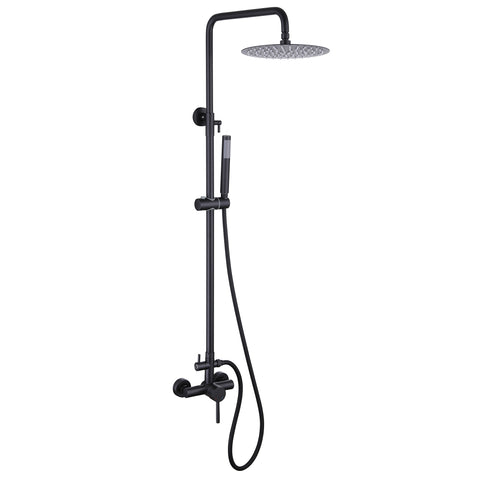
Matte Black
-
Chrome
-
Brushed Gold
-
Brushed Nickel
- + 1

-
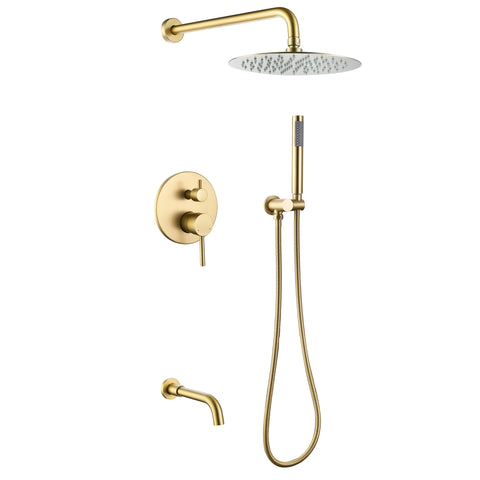
Brushed Gold
-
Matte Black
-
Brushed Nickel
-
Brushed Gold
-
Matte Black
-
Brushed Gold
-
Brushed Nickel
-
Chrome
-
Matte Black
304 vs 316 Stainless Steel Outdoor Showers: Which Material Is Better
If you’re considering installing an outdoor shower, you’ve probably come across two common material options: 304 stainless steel and 316 stainless steel. At first glance, they look almost identical. Both have the same clean metallic appearance, both are resistant to rust, and both are widely used in outdoor fixtures.
So why do some outdoor showers cost noticeably more simply because they use 316 stainless steel? The answer usually has less to do with appearance and more to do with environment.
Understanding the difference between these two materials can help you choose the right outdoor shower and avoid paying for features you may not actually need.
Why Stainless Steel Is Commonly Used for Outdoor Showers?
Outdoor showers are constantly exposed to challenging conditions. Rain, humidity, direct sunlight, and continuous water flow can quickly damage materials that aren’t designed for outdoor use.
Stainless steel has become one of the most popular materials for outdoor showers because it offers several important advantages:
- Excellent resistance to rust and corrosion
- Strong structural durability
- Minimal maintenance requirements
- A modern, architectural appearance
- Long service life compared with plastic or coated metals
What Is 304 Stainless Steel?
304 stainless steel is the most widely used stainless steel grade in outdoor products and architectural hardware. It contains approximately 18% chromium and 8% nickel, which provides good corrosion resistance and structural strength.
You will find 304 stainless steel used in many everyday applications, including kitchen equipment, railings, bathroom fixtures, and outdoor furniture.
For outdoor showers installed in typical residential environments, 304 stainless steel performs very well. It resists rust under normal exposure to rain, moisture, and everyday water use.
Because of its reliability and reasonable cost, many outdoor shower manufacturers choose 304 stainless steel as their standard material.

What Makes 316 Stainless Steel Different?
316 stainless steel is often referred to as marine-grade stainless steel. While it looks almost the same as 304, it contains an additional element called molybdenum.
This element significantly improves the material’s resistance to corrosion, especially in environments where salt is present.
Salt is extremely aggressive toward metal surfaces. Over time, even stainless steel can begin to show corrosion if it is continuously exposed to salty air or seawater.
Because of its improved corrosion resistance, 316 stainless steel is commonly used in:
- Marine hardware and boat components
- Coastal architectural structures
- Yacht equipment
- Luxury outdoor fixtures near the ocean

The Practical Difference in Outdoor Shower Use
In everyday use, the performance difference between 304 and 316 stainless steel often depends entirely on where the outdoor shower is installed.
For most homes located inland, the difference is usually minimal. A well-made outdoor shower built from 304 stainless steel can last for many years without noticeable corrosion.
However, the situation changes when the installation is located close to the ocean.
Salt carried in coastal air gradually settles on metal surfaces. Over time, this salt can accelerate corrosion, even on stainless steel products.
In these environments, 316 stainless steel provides significantly better long-term protection.
When Should You Choose 316 Stainless Steel?
- Homes located near the ocean or coastline
- Outdoor showers installed at beach houses
- Resorts or coastal hotels
- Installations exposed to salty sea air on a daily basis
When 304 Stainless Steel Is Usually Enough
- a backyard garden
- a poolside area
- a patio or terrace
- a mountain or inland vacation home
In these environments, 304 stainless steel will typically provide more than enough durability.
Final Thoughts
Both 304 and 316 stainless steel are high-quality materials suitable for outdoor showers. The key factor when choosing between them is the environment where the shower will be installed.
For most homeowners, 304 stainless steel offers excellent durability and value. However, if the outdoor shower will be installed near the ocean or exposed to salty air for long periods, 316 stainless steel is often the better long-term investment.