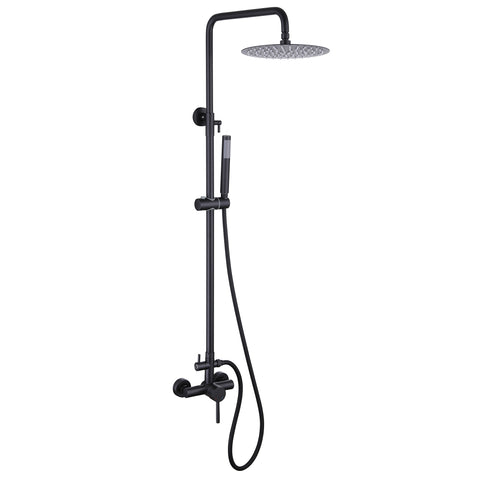

-
Matte Black
-
Chrome
-
Brushed Gold
-
Brushed Nickel
- + 1
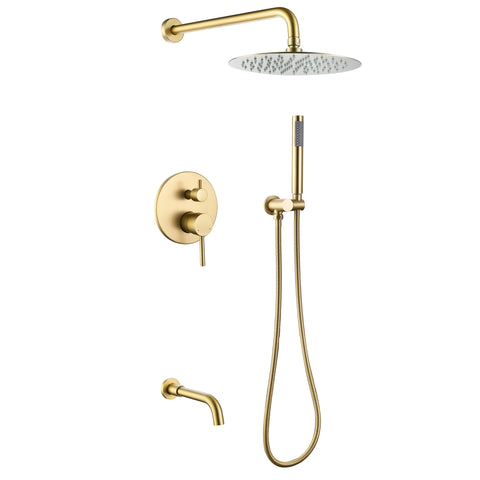

-
Brushed Gold
-
Matte Black
-
Brushed Nickel
-
Brushed Gold
-
Matte Black
-
Brushed Gold
-
Brushed Nickel
-
Chrome
-
Matte Black

Dual Shower System vs. Single Shower: Which One Should You Choose
Choosing between a dual shower system and a single shower isn’t just a style call—it affects flexibility, rinsing speed, water/energy use, installation complexity, and long-term maintenance. This guide breaks down how they differ so you can pick the setup that fits your space, routine, and budget.
What Is a Dual Shower System?
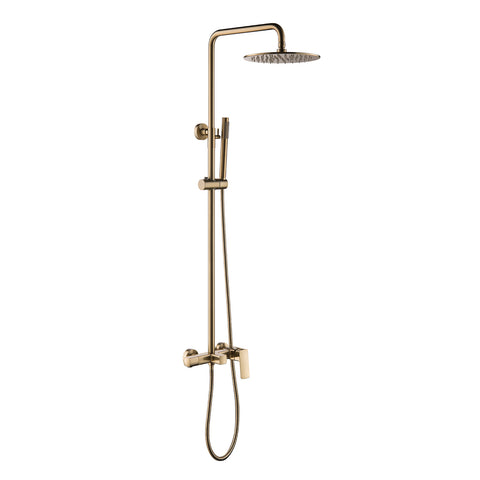
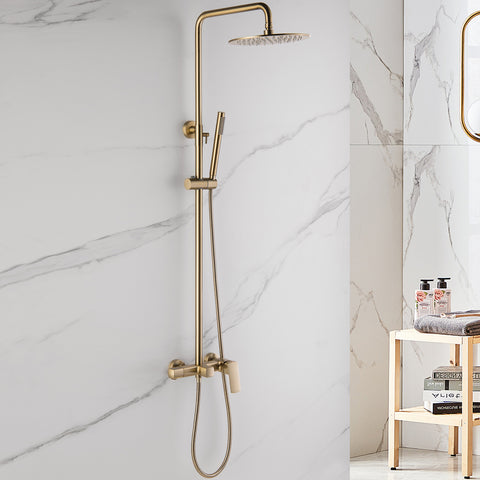
A dual shower system combines two active outlets—typically a rain/overhead shower and a handheld sprayer—controlled by a diverter and a pressure-balanced or thermostatic valve. You can switch between outlets or, on some setups, run both simultaneously.
- Experience: Immersive and versatile—overhead comfort plus handheld precision.
- Best for: Fast rinsing after workouts, bathing kids/pets, and easy cleaning of glass/tile.
- Requirements: Works best with solid water pressure and enough wall/ceiling clearance.

What Is a Single Shower?
A single shower uses one outlet—usually a fixed wall-mount head (sometimes on an adjustable arm). It’s simple, reliable, and easier to plan around in compact bathrooms or rental properties.
- Practicality: Straightforward everyday use with fewer parts and easier maintenance.
- Space savvy: Fits small enclosures; uncluttered look.
- Efficiency: Typically lower water and energy consumption.

Dual vs. Single: Key Differences
| Aspect | Dual Shower System | Single Shower |
|---|---|---|
| Experience | Immersive; overhead + handheld options | Focused, simple spray |
| Flexibility | Great for rinsing, kids/pets, cleaning | Basic everyday use |
| Water Needs | Prefers stronger pressure/flow | Works in most homes |
| Space | Needs wall/ceiling clearance and hose swing | Ideal for compact stalls |
| Installation | Moderate–high (diverter + valve rough-in) | Low–moderate (simple valve) |
| Maintenance | More parts to descale/replace | Minimal upkeep |
| Cost | Higher hardware + labor | Budget-friendly |
Pros & Cons
Dual Shower System Pros
- Two functions in one: overhead comfort + handheld control.
- Faster, more even rinsing—great for thick hair and body wash.
- High-end look that elevates a primary bath.
Dual Shower System Cons
- Higher water demand; performance drops with low pressure.
- More complex install (diverter, spacing, rough-in planning).
- Greater upkeep—more nozzles, seals, and finishes to clean.
Single Shower Pros
- Cost-effective with a simpler valve and fewer parts.
- Space-efficient and visually minimal.
- Lower water/energy use and easier maintenance.
Single Shower Cons
- Less flexible without an added handheld.
- May feel basic compared with hotel-style dual systems.
How to Decide
Match your choice to space, pressure, and daily routine:
- Want a premium spa feel and faster rinsing? → Choose dual.
- Have a compact stall or tight budget? → Go single.
- Low pressure or small water heater? → Prefer single (or run one dual outlet at a time).
- Families with kids/pets or frequent cleaning? → Dual with a quality handheld.
Installation Notes
- Rough-in planning: Pick valve type (pressure-balanced vs thermostatic) and a 2–3 way diverter before tiling.
- Heights: Rain head ~78–84" (198–213 cm); handheld slide bar ~36–48" (91–122 cm).
- Blocking: Add stud blocking for slide bars and elbows; ensure waterproofing behind tile.
- Finish & upkeep: Choose easy-clean silicone nozzles; regularly descale to prevent buildup.
Final Thoughts
There’s no universal “best” shower. A dual shower system maximizes comfort and flexibility if your space and pressure support it, while a single shower keeps things minimal, efficient, and budget-friendly. Consider how you actually shower, your bathroom size, and your plumbing limits—then choose confidently.