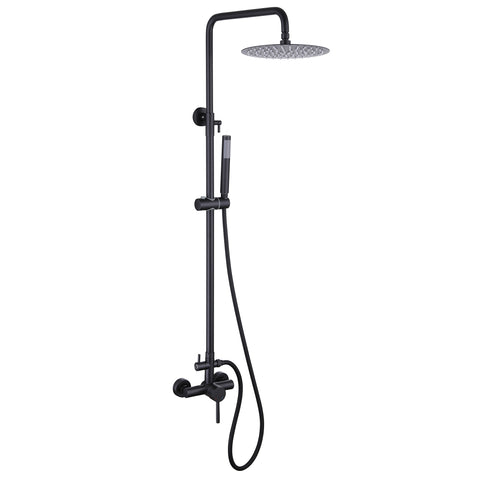

-
Matte Black
-
Chrome
-
Brushed Gold
-
Brushed Nickel
- + 1
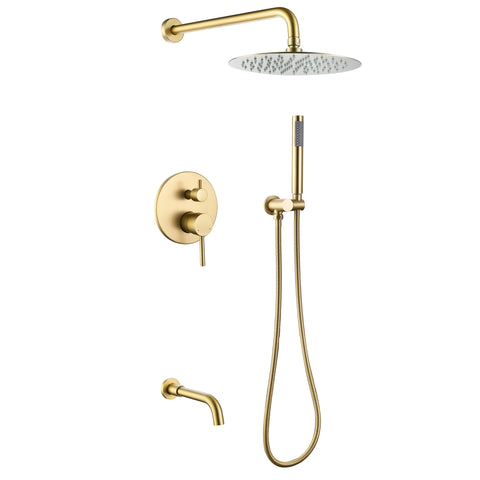

-
Brushed Gold
-
Matte Black
-
Brushed Nickel
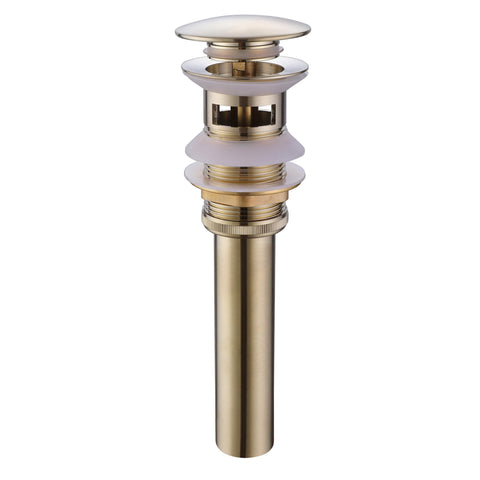
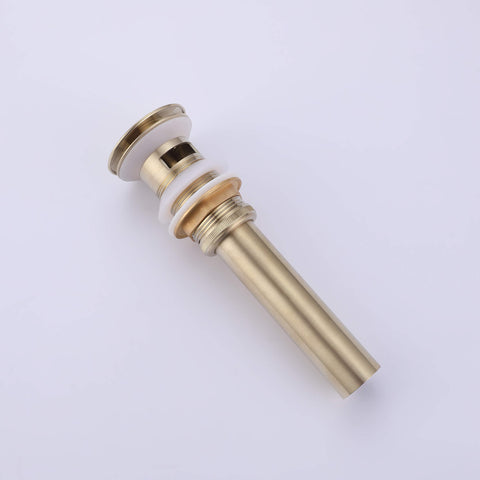
-
Brushed Gold
-
Matte Black
-
Brushed Gold
-
Brushed Nickel
-
Chrome
-
Matte Black

How to Choose the Right Bathroom Sink for Your Home
Choosing the right bathroom sink can make a bigger difference than many homeowners expect. The sink is one of the most frequently used fixtures in any bathroom, and it affects not only the overall look of the space, but also how comfortable and practical it feels every day. Whether you are refreshing a guest bath or planning a full renovation, understanding how to choose the right sink can help you avoid common design and installation mistakes.
Many people focus only on appearance at first, but a good bathroom sink should do more than look stylish. It should fit your vanity, work with your faucet, resist daily wear, and remain easy to clean over time. This guide explains the most important things to consider before buying, from sink type and material to sizing, maintenance, and installation.

1. Start by Choosing the Right Bathroom Sink Type
Before comparing colors, finishes, or shapes, it is important to understand the main sink styles available. Different sink types create different looks and require different installation setups, so choosing the right category first will make the rest of the decision much easier.
Vessel Sinks for a Modern Statement Look
Vessel sinks sit above the countertop and are often chosen for their strong visual impact. They work especially well in modern, minimalist, and design-focused bathrooms where the sink is meant to become part of the room’s overall style. A vessel sink can instantly make a vanity area feel more refined and decorative, even in a relatively small space.
Undermount and Drop-In Sinks for Everyday Practicality
Undermount sinks are installed below the countertop for a clean and seamless appearance, while drop-in sinks are fitted into a cutout with the rim resting on the surface. Both options are practical, but they create a different visual effect from a vessel sink. If you want the sink to stand out as a focal point, a vessel sink is often the better choice.
2. Choose a Sink Size That Fits Your Vanity and Routine
Sink size affects both comfort and appearance. A sink that is too small may lead to splashing, while one that is too large may reduce useful counter space or overpower the vanity. The right size depends on how the bathroom is used, how much countertop space you want to keep, and the dimensions of your vanity.
Small bathrooms often benefit from compact round or oval sinks, while larger vanities can support wider or more sculptural designs. If you are selecting a vessel sink, remember to account for its above-counter height as well. That extra height can influence faucet choice, mirror placement, and daily comfort.
3. Pay Attention to Material, Not Just Shape
Material is one of the most important factors in long-term durability. A bathroom sink is exposed to water, soap, cosmetics, and frequent cleaning, so it needs a surface that can handle daily use without quickly showing wear.
Why Ceramic Remains a Reliable Choice
High-quality ceramic sinks remain one of the most popular options because they are durable, smooth, stain-resistant, and easy to maintain. A well-finished ceramic sink can retain its clean appearance for years with proper care, making it a smart choice for both primary and guest bathrooms.
Durability Should Support Daily Comfort
In addition to appearance, the surface should feel easy to use and easy to keep clean. This is one reason many homeowners choose ceramic vessel sinks for modern bathrooms: they offer a clean finish, strong structure, and a practical surface for everyday life.

4. Make Sure the Sink and Faucet Work Together
One of the most common mistakes in bathroom design is choosing the sink and faucet separately without checking whether they are actually compatible. This is especially important for vessel sinks, which sit higher than standard sink styles and usually require a taller faucet or a wall-mounted faucet.
Before buying, check the faucet height, spout reach, sink depth, and drain configuration. A properly matched sink and faucet should feel balanced visually, direct the water stream to the right area of the bowl, and help reduce splashing during everyday use.
5. Choose a Surface That Is Easy to Clean
A beautiful sink should also be easy to live with. In busy households, surfaces that are difficult to clean quickly become frustrating. Smooth, glazed finishes are often the easiest to maintain because they resist buildup from soap, toothpaste, and everyday residue.
A low-maintenance bathroom sink can save time in the long run and help keep the vanity looking fresh with less effort. For many homeowners, this matters just as much as the sink’s style or color.
6. Match the Sink to the Style of Your Bathroom
Style still matters, because the sink is often one of the first things people notice in a bathroom. A glossy white sink usually creates a bright, timeless, and versatile look. It pairs well with stone countertops, wood vanities, and a wide range of faucet finishes.
A black bathroom sink creates a bolder and more architectural statement. It can work especially well in contemporary interiors, monochrome bathrooms, or spaces that use darker hardware for contrast. The best choice depends on the overall tone of the room, not just current trends.
7. Check Installation Details Before Ordering
Even a well-designed sink can become a problem if the installation details are overlooked. Before ordering, confirm your vanity dimensions, drain opening size, countertop cutout requirements, and faucet mounting type. Taking these steps in advance can help avoid delays, returns, and unnecessary installation issues.
If you are planning a DIY installation, choose a sink with clear instructions and standard sizing. If a professional installer will handle the project, having the sink and faucet specifications ready beforehand can still make the process smoother and faster.
8. When a RBROHANT Bathroom Sink Is a Good Option
If you are looking for a vessel-style sink that combines modern design with practical daily use, a RBROHANT bathroom sink can be a strong option to consider. RBROHANT offers ceramic vessel sinks in finishes such as glossy white and matte black, making it easier to coordinate the sink with different vanity styles, countertop materials, and bathroom hardware.
For homeowners who want a sink that feels decorative without being overly complicated, this type of design can provide a good balance between style, durability, and ease of maintenance. When paired with a compatible faucet and drain accessory, it can help create a more polished and intentional vanity setup.
9. Common Bathroom Sink Buying Mistakes to Avoid
Many sink purchases go wrong for predictable reasons. Some buyers choose only based on appearance, while others forget to check faucet compatibility, sink height, or installation requirements. In other cases, the sink is the wrong size for the vanity or too difficult to clean for the household’s daily routine.
Avoiding these basic mistakes usually matters more than chasing the newest design trend. The best bathroom sink is the one that fits your space, works with your plumbing and faucet, and remains comfortable to use over time.
Frequently Asked Questions
What type of bathroom sink is best for small bathrooms?
For small bathrooms, compact vessel sinks or undermount sinks are often good choices. The best option depends on how much counter space you need and whether you prioritize appearance or ease of cleaning.
Are vessel sinks practical for everyday use?
Yes, vessel sinks can work well for daily use if they are matched with the correct faucet height and bowl depth. Poor faucet pairing is one of the main reasons users experience splashing.
How do I match a faucet to a vessel sink?
Check the faucet height, spout reach, and sink depth before buying. Vessel sinks usually require taller faucets or wall-mounted faucets to ensure the water stream lands comfortably inside the bowl.
What material is easiest to clean for a bathroom sink?
Glazed ceramic is one of the easiest materials to clean because it has a smooth, non-porous surface that resists soap residue, water spots, and everyday stains.
Final Thoughts: Choose a Sink That Looks Good and Works Well
A bathroom sink may seem like a small part of the room, but it has a major effect on everyday convenience and overall design. The right choice should fit your vanity, suit your routine, match your faucet, and stay easy to maintain over the long term.
If you are comparing different options, start with the essentials: sink type, size, material, faucet compatibility, and installation requirements. Once those basics are right, choosing the finish and style becomes much easier.
A well-chosen sink can refresh the vanity area, improve your daily experience, and bring a more finished look to your bathroom without requiring a full remodel.