
-
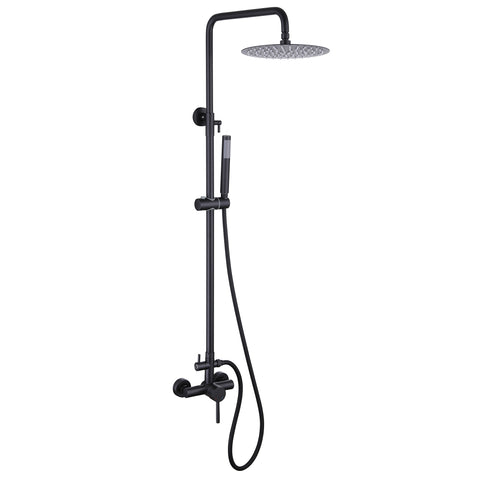
Matte Black
-
Chrome
-
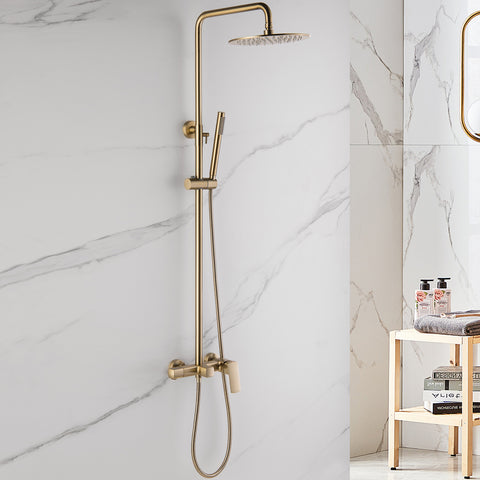
Brushed Gold
-
Brushed Nickel
- + 1
-
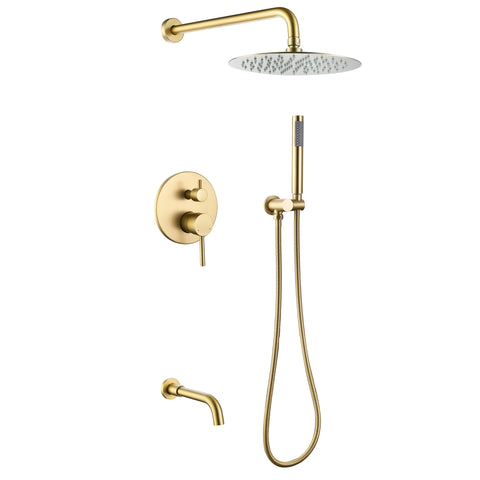
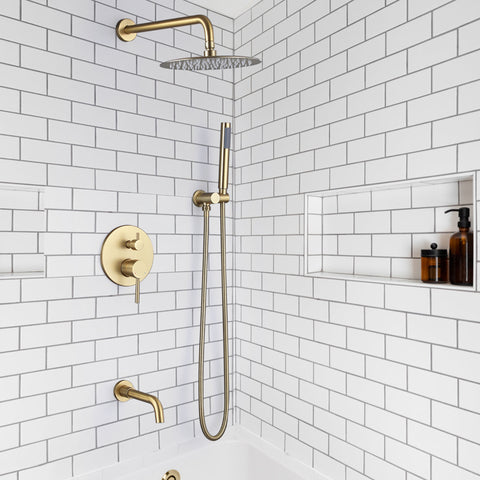
Brushed Gold
-
Matte Black
-
Brushed Nickel
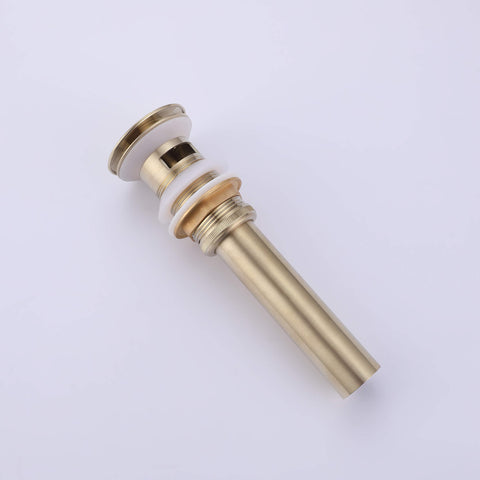
-
Brushed Gold
-
Matte Black
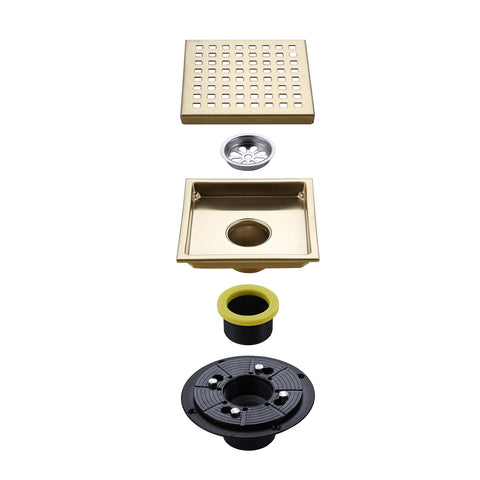
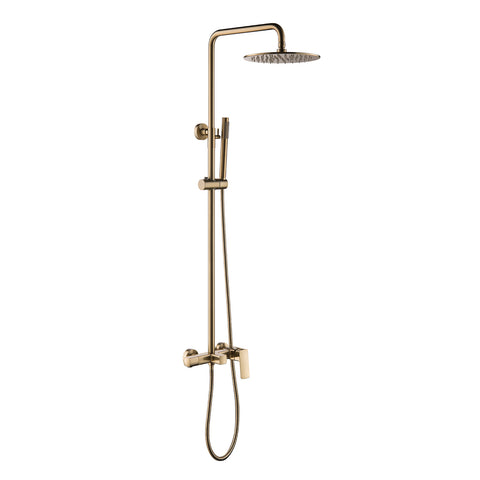
-
Brushed Gold
-
Brushed Nickel
-
Chrome
-
Matte Black


How to Choose Bathroom Hardware That Fits Your Layout and Matches Your Fixtures
Bathroom hardware is easy to underestimate because each piece seems small on its own. But once you start using the space every day, poor hardware choices become obvious fast. Towels end up too far from the shower, hooks are missing where you actually need them, finishes do not match the faucet or shower trim, and the room feels less polished than it should.
That is why choosing bathroom hardware should not be treated as a last-minute styling decision. The right hardware improves how the bathroom works, supports the layout you already have, and helps the entire room feel visually consistent. This guide focuses on the practical decisions that matter most: what pieces you really need, how to match them with your fixtures, and how to choose a set that fits your bathroom instead of just filling the wall.
Start With Function, Not With the Finish
A lot of homeowners begin by choosing a color such as matte black, brushed gold, or chrome. That matters, but it should not be the first decision. Before you think about finish, think about use. Ask yourself how the bathroom is actually used every day and where each item needs to go to make the room easier, not just prettier.
For example, a primary bathroom usually needs a more complete setup than a guest bath or powder room. A family bathroom may need more hooks and towel storage than a smaller space used occasionally by visitors. Once the functional needs are clear, it becomes much easier to decide whether you need a full hardware set or just a few targeted pieces.
What Bathroom Hardware Do You Actually Need?
Not every bathroom needs the same combination of accessories. The best hardware plan depends on room size, user habits, and how formal or minimal you want the space to feel.
| Bathroom Type | Most Useful Hardware | Priority Reason |
|---|---|---|
| Primary bathroom | Towel bar, towel ring, toilet paper holder, robe hook | Supports full daily use and keeps the room organized |
| Guest bathroom | Towel bar or ring, toilet paper holder, one hook | Keeps the space practical without overloading the walls |
| Powder room | Towel ring and toilet paper holder | Covers essentials while maintaining a clean look |
| Family bathroom | Multiple hooks, towel bar, toilet paper holder | Handles more users and reduces clutter |
This is why buying hardware piece by piece without a plan often leads to awkward results. The better approach is to decide what the room truly needs first, then choose a coordinated set or matching components based on that list.

How to Match Bathroom Hardware With Faucets and Shower Fixtures
One of the biggest reasons a bathroom feels disjointed is that the hardware finish does not relate well to the faucet, shower trim, or other visible metal details. In a well-composed bathroom, these pieces do not need to be identical in every way, but they should clearly belong to the same design language.
The easiest way to create a more cohesive bathroom is to match the hardware finish with the dominant fixture finish already in the room. If your faucet and shower system are matte black, bathroom hardware in matte black will create the most unified result. If the room uses brushed gold or brushed nickel, keeping the hardware in the same finish usually produces a cleaner and more intentional look.
Shape matters too. If your faucet and shower fixtures have crisp, modern lines, rounded traditional hardware may feel out of place. If your plumbing fixtures are softer and more classic, ultra-sharp hardware can feel disconnected. Finish and form should support each other.
When a Matching Hardware Set Makes More Sense Than Buying Single Pieces
A complete hardware set is often the better choice when you want consistency, faster decision-making, and fewer finish-matching problems. It removes a lot of guesswork because the pieces are already designed to work together visually.
- Choose a full set if you are updating the whole bathroom, want a cohesive result, or do not want to compare multiple brands and finishes.
- Choose individual pieces if you only need to replace one or two items, or if the layout requires a more customized combination.
For many remodels, a coordinated four-piece set offers the best balance of function and appearance. It usually covers the most-used items without making the wall feel over-accessorized.
Placement Matters More Than People Think
Even good hardware can feel wrong when it is installed in the wrong place. Placement should follow movement through the room. The towel bar should be close enough to the shower or tub to be convenient. The towel ring should be near the sink where hand drying naturally happens. Hooks should be placed where robes, towels, or clothing are actually used, not just where empty wall space happens to be available.
When hardware is placed thoughtfully, the bathroom feels easier to use and more finished. When placement is random, the room starts to feel like small decisions were made without a plan.
How to Choose Hardware for Small Bathrooms
In a smaller bathroom, hardware should help the room feel organized without making the walls look busy. This usually means choosing only the most useful pieces and avoiding redundancy.
A towel ring often works better than a full towel bar beside a compact vanity. Hooks can be more efficient than bulky bars in tight layouts. A coordinated set can still work well in a small bathroom, but only if each piece has a clear purpose and enough space around it.
The goal in a small bathroom is not to install more hardware. It is to install the right hardware in the right places.
Material and Finish Still Matter
Once layout and coordination are decided, material quality becomes the next filter. Bathroom hardware lives in a humid, high-touch environment, so finish durability matters. Pieces that are used every day should feel solid, resist corrosion, and maintain their look over time.
This is especially important in bathrooms with frequent use, high humidity, or children, where hardware is handled constantly. A piece that looks good at first but does not hold up will quickly make the bathroom feel lower quality than intended.
Common Mistakes to Avoid
- Choosing finish before deciding what pieces the room actually needs
- Mixing too many metal tones without a clear design reason
- Installing hardware based only on empty wall space
- Using oversized pieces in a compact bathroom
- Buying individual items from different styles and expecting them to look coordinated
Most bathroom hardware problems do not come from buying the wrong product category. They come from making disconnected decisions. Once you treat hardware as part of the room’s overall layout and fixture plan, the choices become much clearer.
A Simple Buying Framework
If you want a fast way to choose bathroom hardware without overthinking it, use this order:
- Identify which pieces your bathroom truly needs
- Check your faucet and shower fixture finish
- Choose a matching or clearly coordinated finish
- Make sure the shapes fit the style of the room
- Confirm the layout and installation positions before buying
- Decide whether a full set or selected pieces makes more sense
That sequence is much more reliable than starting with color trends or buying accessories one at a time without a plan.
Final Thoughts
Bathroom hardware may not be the largest element in the room, but it has an outsized effect on how finished and functional the space feels. The right choice is not just about style. It is about choosing pieces that fit your layout, support daily use, and visually connect with the rest of your fixtures.
If you approach hardware as part of the bathroom’s full design system instead of as an afterthought, the result will feel more intentional, more useful, and much easier to live with every day.
👉 Explore our Bathroom Hardware Sets to find coordinated options that work better with your layout and fixture finish.